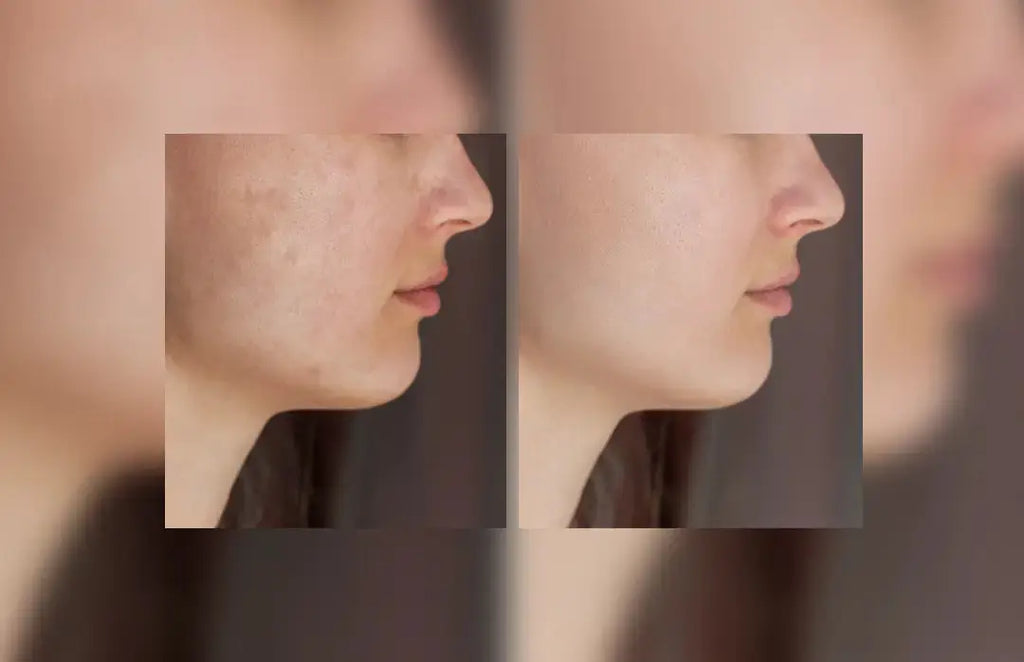
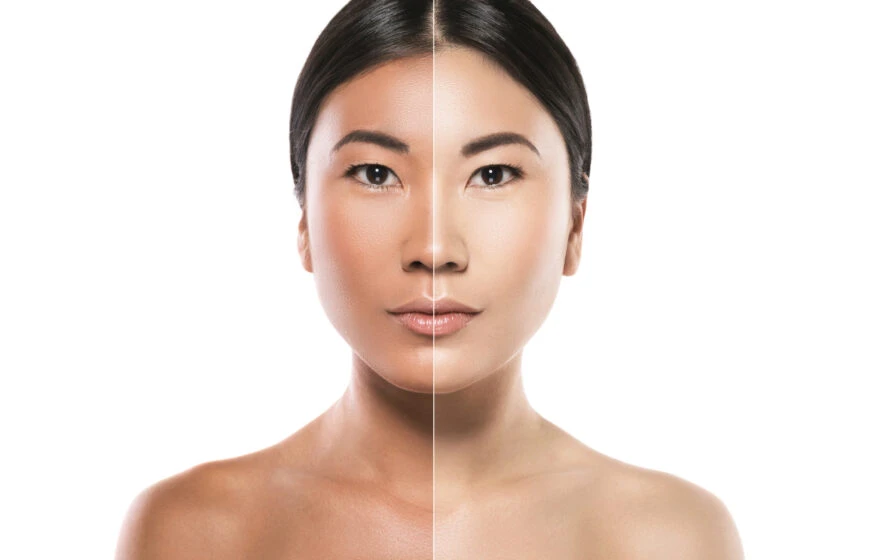
While formal clinical trials in humans are limited and the compound is not FDA-approved, early preclinical studies and anecdotal reports suggest it may play a role in supporting the body's natural healing processes
[ \- Link Opens in New Tab]( 17
GHK-Cu is predominantly found in saliva, blood, and urine, and has multiple biological actions when administered to test subjects, including [1]: Antioxidant gene activity [2] Suppression of inflammatory cytokine interleukin-6 [2] Increased protein accumulation [3] Increased collagen synthesis [3] In animal models, GHK-Cu has been shown to increase an anti-inflammatory proteogly called decorin that can protect diabetic rats from kidney-damaging fibrosis [2, 4]
At the present time, glucocorticoids and other immune suppressants are the principal therapeutic approach to small-fiber neuropathy but are often ineffective (8)
Hwang L-C, Bai C-H, Chen C-J
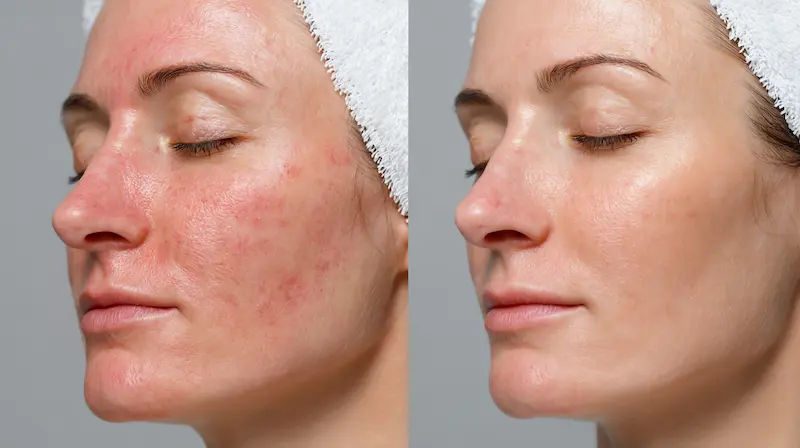
Wound Healing and Tissue Repair GHK-Cu accelerates wound closure by promoting keratinocyte migration (the cells that resurface damaged skin) and angiogenesis (new blood vessel formation to supply healing tissue)